
Learning through movement
Movement is a key tool for a child's brain development. Through movement, attention, self-control, and readiness for learning begin to form.
All development areas that help a child move, adapt, learn, and become more confident.
At MONA, activities and specialists do not work separately from one another but as one system that helps develop the body, attention, independence, speech, behavior, and social skills of the child.
Movement is a key tool for a child's brain development. Through movement, attention, self-control, and readiness for learning begin to form.
Basketball develops attention, reaction speed, and the ability to follow rules. A child learns to make decisions, interact with others, and control their actions.
Riding a bicycle helps develop balance, motor planning, and confidence in one's actions. The child learns to control the body and become more independent.
Roller skating improves concentration and balance. The child learns to keep attention while moving and gradually reduces fear of new actions.
Individual exercises help a child learn to follow instructions and complete tasks step by step. Attention, persistence, and readiness for learning begin to grow.
Gymnastics develops coordination, body control, and self-confidence. The child learns to approach new movement tasks with more confidence.
Fitness helps build endurance and the ability to carry tasks through to the end. The child learns to tolerate effort and keep attention for longer periods.
Adaptive CrossFit develops strength, confidence, and the ability to cope with challenging tasks. The child learns to overcome difficulties and control their actions.
Athletics helps develop reaction speed, spatial orientation, and confidence in movement. These skills build a foundation for learning and everyday life.
Table tennis develops attention, visual-motor coordination, and speed of thinking. The child learns to react quickly and maintain concentration.
Specialist support and hippotherapy are added additionally based on assessment results, the center's recommendations, or the family's request.
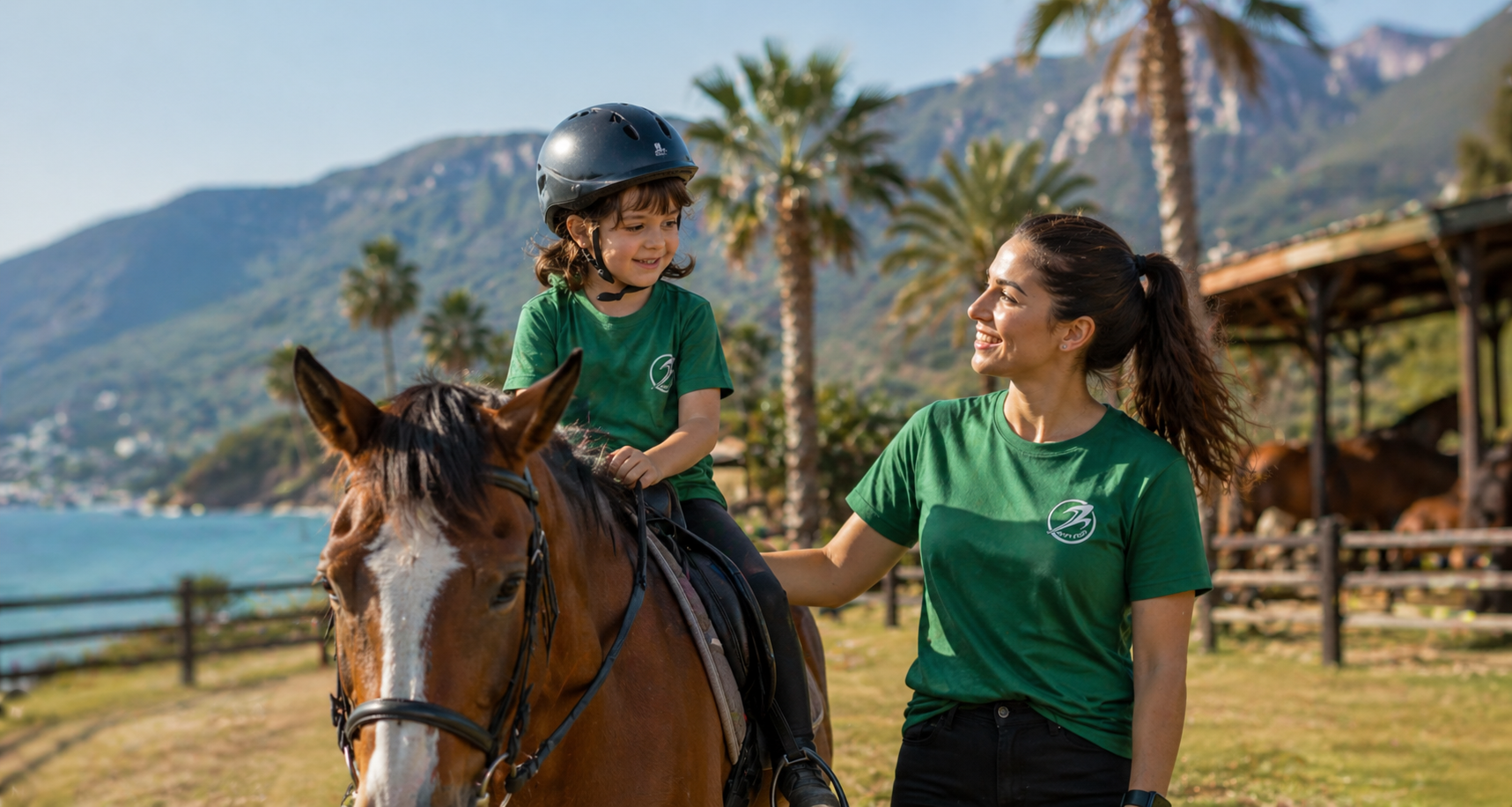
Hippotherapy helps a child develop physically, emotionally, and socially. It supports balance, coordination, sensory integration, confidence, and calmness, while also helping the child engage with the outside world more easily. Simple horse riding is included in the base program.
Sports massage helps relieve tension, improve body awareness, and prepare the child for physical activity. It supports recovery and makes sessions more comfortable.
Working with a psychologist helps the child regulate emotions better, reduce tension, and go through difficult situations more calmly. This is especially important for adaptation within the family, group, and learning environment.
A speech therapist helps develop speech comprehension, vocabulary, phrase building, and communicative initiative. When necessary, alternative communication methods are introduced.
We help parents better understand the child's condition, respond to difficult behavior more calmly, and build a clearer and more stable interaction system at home.
This area helps a child master basic daily living skills: dressing, undressing, hygiene, using utensils, brushing teeth, toilet skills, and other everyday actions. The main goal is to help the child become more independent in everyday life.
Haircut sessions help a child get used to touch, tolerate everyday care procedures, and accept adult assistance more calmly. This is an important part of preparation for daily life.
Swimming helps a child relax, feel their body better, develop coordination, confidence, and breath control. Water also helps reduce tension and improve sensory processing.
Activities by the sea help a child adapt to open environments, cope with new sensations, and interact with water and the surrounding space with more confidence.
This is a seasonal summer activity.
Walks in the forest help reduce stress, develop observation, resilience, and the ability to interact calmly with the surrounding environment.
Picnics, gardening, holidays, shared events, and the everyday life of the center help a child learn social rules, understand communication rituals better, and engage in group life more calmly.
Outdoor activities are included in the base program, but some of them are seasonal.
Rafting helps a child go through a new experience, strengthen self-confidence, and join a shared activity with others.
Safari broadens the child's sensory and emotional experience, helps accept new environments more easily, and strengthens interest in the world around them.
A tandem flight over the sea with an instructor helps a child experience something new, strengthens self-confidence, and builds trust in their own abilities.
A trip to the zoo helps develop sensory perception, emotional intelligence, group behavior, and calm interaction in a new social environment.
The composition of the program may vary depending on the season and the child's current goals.
Outdoor activities are included in the base program, but they take place at different times of the year.
Work with specialists and hippotherapy are added additionally based on assessment results, the center's recommendations, or the family's request.
From time to time the center launches additional formats and new activities. Current options can always be clarified with the administrator.